



Premium cigars
Cuba is ready to compensate Americans whose property was expropriated after the revolution
Par La rédaction,
le 23 March 2026
The entire tobacco sector was nationalized in the early 1960s, leading to a wave of emigration and the birth of the Dominican, Nicaraguan and Honduran industries.
The Cuban government is ready to compensate Americans whose property was nationalized after the 1959 revolution, Deputy Foreign Minister Carlos Fernandez de Cossio told the U.S. news site Drop Site News.
If an agreement were reached, it would be a lump-sum payment; Cuba would pay the compensation to the United States, which would then handle the claims. However, such a settlement would have to be part of a broader, comprehensive agreement. This agreement would address U.S. sanctions and the embargo and would also allow a number of previously prohibited U.S. investments in Cuba, the Cuban official explained.
Cuban President Miguel Díaz-Canel confirmed last week that his government was in discussions with the United States. “The goal of these discussions is, first and foremost, to identify the bilateral problems that require a solution, taking into account their gravity and impact,” and to “find solutions to these problems,” the Cuban president added, without providing further details.
After the revolution, the American website explains, Cuba negotiated lump-sum compensation agreements with countries such as Canada, Switzerland, the United Kingdom, Spain, and France. The United States, however, refused to participate. “Cuba concluded lump-sum agreements with the six governments whose assets were nationalized in Cuba. All of these agreements included compensation programs, and all were compensated, with the exception of the United States,” says Carlos de Cossio.
Compensation for the blockade
Nearly 6,000 American individuals and entities have filed claims for compensation for nationalized assets, according to U.S. government data and industry estimates cited by Drop Site. With interest, the total amount of certified claims is now estimated at approximately $9 billion.
But the deputy minister added that compensation should not be a one-way street. “We are ready to engage in dialogue with the United States on these issues; but Cuba also has rights,” Cossio told Drop Site. “We believe that the Cuban people and nation need to be compensated for the damage caused by the economic blockade, the invasion, terrorism, assassinations, and acts of violence perpetrated against the economy.”
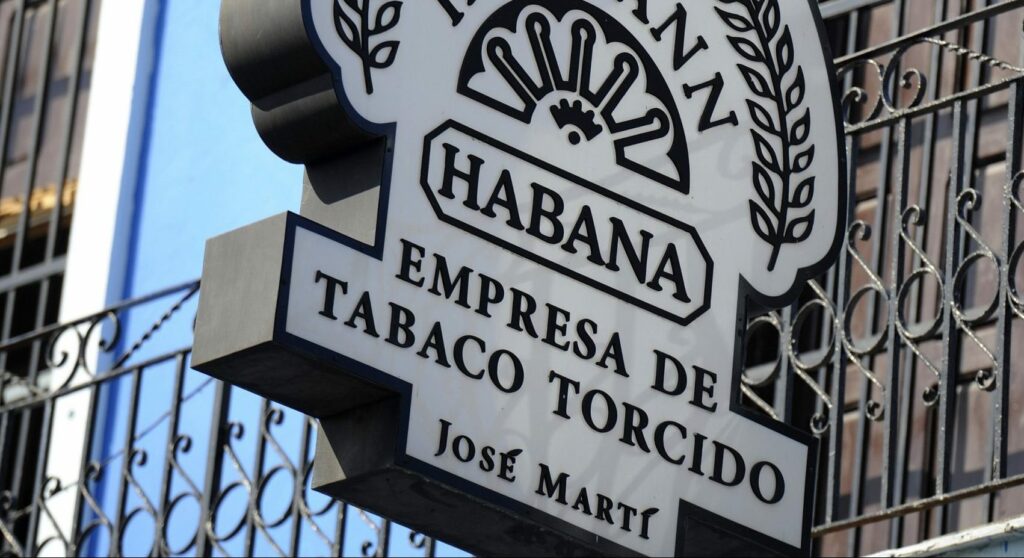
In the early 1960s, Fidel Castro nationalized all of Cuba’s industry, including tobacco. The major Cuban cigar factories—Partagás, H. Upmann, Romeo y Julieta, Montecristo—fell overnight under state control. The owning families, including the Cifuentes, Menéndez, and Garcia families, were expropriated without compensation and forced into exile. It is from this exile that the premium cigar industry as it exists today in the Dominican Republic, Honduras, and Nicaragua was born.
You might also like
Latest articles

23 September 2026
La Gloria Cubana Celebrates The 35th Anniversary Of La Casa del Habano Franchise Stores
22 September 2026
An El Rey Del Mundo “Costa Rica Exclusive” Is Arriving Next Week

22 September 2026
Elie Bleu Launches A Line Of Small Leather Goods

21 September 2026
“Smoke on the Water”: Trinidad Vigia Reserva Cosecha 2022 launched in Montreux

21 September 2026
“We Need the Cubans!”: At Dortmund, Schadenfreude Gives Way to Concern
Publicité
All the latest cigar news
Discover