



Premium cigars
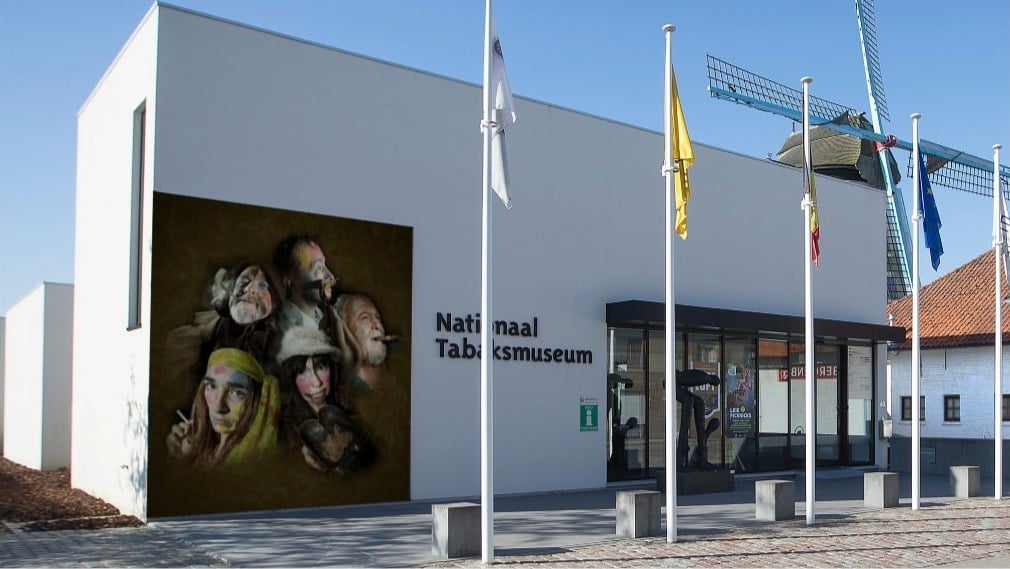
VCF’s 100th Anniversary Exhibition Turned Down By Belgian National Tobacco Museum
Par La rédaction,
le 5 October 2026
To mark its centenary, VCF (Oliva, Nub, Aliados…) wanted to share a century of family history and Belgian roots with the public through an exhibition at the National Tobacco Museum in Wervik. The municipality rejected the project, citing anti-smoking legislation. VCF has publicly expressed its regret over this decision.
A century of history, yet no exhibition to tell the story. This is the situation facing VCF—the Belgian family-owned Vandermarliere group—as it celebrates its centenary this year. VCF owns brands such as Oliva, Nub, and Aliados, as well as J. Cortès machine-made cigars.
To mark the anniversary, the company wanted to organize an exhibition at the Belgian National Tobacco Museum in Wervik (West Flanders) to showcase the history of the family and the business over the past century to the public. However, the municipality rejected the project.
“100 Years Of History, Without The Opportunity To Show Them”
VCF chose to respond directly via its social media channels. “100 years of history, without the opportunity to showcase them,” the brand wrote, introducing a post that referenced an article from the local weekly Krant van West-Vlaanderen (West Flanders Newspaper).
VCF explained that it had hoped to present the story of its family business over the past century—highlighting the expertise passed down through generations and its enduring roots in Belgium—to mark its centenary.
However, the municipal council decided not to grant the request, opting for caution “in light of current tobacco legislation”—a decision VCF says it “sincerely regrets.”
A Refusal Linked To Tobacco Regulations
The matter was raised at the Wervik municipal council by Sanne Vantomme (N-VA, Flemish nationalist party), who expressed regret that the request had not been approved. She notably pointed out that, in 2013, the National Tobacco Museum had hosted an exhibition marking the Camel brand’s centenary.
However, the regulatory landscape has changed since then. Last year, the Federal Public Service for Public Health objected to cigarette-rolling demonstrations held during a tobacco-related event. The municipality’s mayor was summoned to a hearing in Brussels and faced the threat of sanctions.
It was against this backdrop that the municipality sought to avoid any legal risks. “We made this decision out of caution and to ensure compliance with the law,” explained Geert Bossuyt (Vooruit, a Dutch-speaking social-democratic party), the alderman for tourism. He said he understood the disappointment felt by both the company and the museum staff. “The goal was to tell the story of a local family business that became a historic player in the industry,” he explained.
His colleague Youro Casier (Vooruit) shares this view: “We do not want to run the risk of violating the law.”
An Industrial History Deeply Rooted In Wervik
VCF’s disappointment is all the more understandable given that Vandermarliere’s history is closely intertwined with that of the region’s tobacco industry. Notably, the Vandermarliere family had acquired Gryson, which had itself taken over the Arvic tobacco factory in Wervik. Production operations were located on Menensteenweg.
For VCF, the rejection of the exhibition means that this history will, for the time being, remain largely confined to the company and its archives.
“For now, the story of 100 years of craftsmanship, entrepreneurship, and Belgian roots remains unknown to the general public,” the brand laments in its statement. However, it adds that this history is a source of pride for the company and all its employees worldwide.
The situation raises a broader question: how far should restrictions on the communication and promotion of tobacco products extend when industrial and historical heritage is involved?
The municipality of Wervik opted for a cautious legal approach. VCF, for its part, believes that an exhibition dedicated to its history would have primarily served to showcase a century of craftsmanship and the evolution of a Belgian family business.
You might also like
Latest articles

5 October 2026
VCF’s 100th Anniversary Exhibition Turned Down By Belgian National Tobacco Museum

2 October 2026
Man arrested in Spain with €200,000 worth of smuggled Cuban cigars

1 October 2026
UPDATE – Norwegian Importers Issue Ultimatum To Ministry Of Health

1 October 2026
Wave of New Appointments Underway at Habanos S.A.

30 September 2026
The Montecristo Fragata (Duty-Free Exclusive) Unveiled At The TFWA Trade Show
Publicité
All the latest cigar news
Discover