



Premium cigars
Bacardi Loses Another Legal Battle Over Havana Club Rum
Par La rédaction,
le 17 June 2026

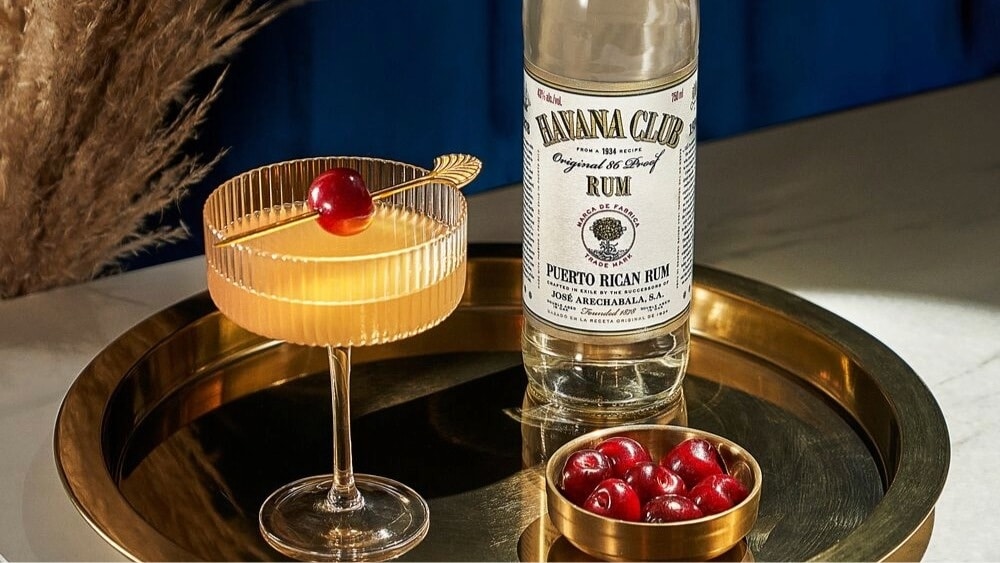
As in the world of cigars, two rums bearing the same name coexist: one in the United States, the other everywhere else.
The legal battle surrounding Havana Club rum has just taken a new turn in the United States. On Tuesday, June 16, a U.S. federal appeals court ruled in favor of the Cuban state-owned company Cubaexport and rejected Bacardi’s appeal in one of the longest-running intellectual property disputes in the spirits industry.
The case dates back to the Cuban Revolution of 1959. After Fidel Castro came to power, the assets of Jose Arechabala S.A., the historical owner of the Havana Club brand, were nationalized by the Cuban state without compensation, according to Bacardi. The Arechabala family then left Cuba. A few decades later, Bacardi acquired the rights claimed by the heirs of this company and began marketing its own Havana Club in the United States in 1995.
For its part, Cubaexport, a company controlled by the Cuban state, had registered the Havana Club trademark in the United States as early as 1976. Outside the United States, Havana Club rum is marketed by Cubaexport in partnership with the French group Pernod Ricard.
The proceedings examined this week concerned the renewal of the Havana Club trademark registration in the United States. Bacardi argued that the registration held by Cubaexport should have expired in 2006. At the time, the U.S. embargo against Cuba prevented Cubaexport from obtaining certain administrative authorizations necessary for the trademark renewal. According to Bacardi, this deficiency should have resulted in the permanent loss of the rights to the Havana Club name in the United States. But the judges did not accept this argument. They determined that a license granted in 2016 by the Office of Foreign Assets Control (OFAC) had rectified the situation and allowed for a valid renewal of the trademark. Consequently, the United States Patent and Trademark Office’s (USPTO) decision to renew Havana Club in 2016 remains valid.
The legal battle is not over
Despite this setback, Bacardi asserts that Cubaexport could face further difficulties in extending its rights in the United States. Indeed, a US law passed in late 2024, the No Stolen Trademarks Honored in America Act, now prohibits US authorities from recognizing certain trademarks considered to have been confiscated by the Cuban government after the Cuban Revolution. Bacardi believes this new legislation could prevent any future renewal of the Havana Club trademark held by Cubaexport.
Currently, two different rums bearing the same name coexist, depending on the market: Cuban Havana Club, sold in most countries worldwide, and Bacardi’s Havana Club, produced in Puerto Rico and marketed in the United States. A similar situation exists in the cigar industry, where several historic Cuban brands (Romeo y Julieta, Montecristo, Partagás, La Gloria Cubana, etc.) are distributed by Habanos S.A. worldwide and by other groups (STG, Tabacalera USA, etc.) in the United States. Not to mention the more recent conflict over the use of the Cohiba trademark.
As in the Havana Club case, several issues lie at the heart of these conflicts: the validity of the Cuban nationalizations of the 1960s, the transfer of rights to exiled families, the international recognition of trademarks according to different jurisdictions, the impact of sanctions and the US embargo, and the coexistence of products sometimes bearing the same name in different markets.
(with Reuters)
You might also like


Latest articles

9 September 2026
Germany Braces for a Tax Shock on Cigars

5 September 2026
BREAKING– Germany’s Habanos Distributor Forced to Suspend Operations Amid Chen Zhi Sanctions Fallout
3 September 2026
BREAKING- Davidoff Is No Longer A Member Of Procigar
2 September 2026
Ramón Allones Pays Tribute To Charlemagne, Andorra’s Founding Father

1 September 2026
Procigar 2027 Registrations Are Open
Publicité
All the latest cigar news
Discover