



Premium cigars
Cigars Spark Diplomatic Tensions Between London and the Caribbean
Par La rédaction,
le 25 August 2026
While the UK government has launched a consultation on “plain packaging” after passing the generational ban in the spring, an exchange of letters between London and the ambassadors of three producing countries reveals the intensity of a behind-the-scenes showdown waged by Cuba, the Dominican Republic, and Honduras to protect their heritage.
In a rare joint effort, the ambassadors of Cuba, the Dominican Republic, and Honduras directly addressed the British Prime Minister at the end of 2025. Their goal: to request an exemption or a moratorium for premium cigars within the Tobacco and Vapes Bill, which introduces a smoking ban for anyone born after January 1, 2009. In support of their request, they notably highlighted the lack of correlation between handmade cigars and youth smoking initiation.
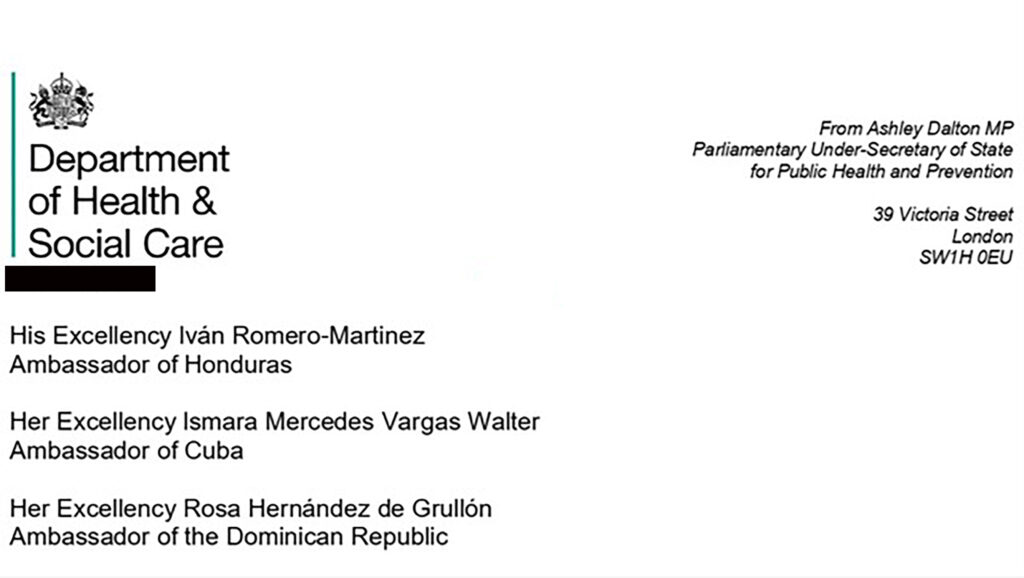
However, 10 Downing Street’s response amounted to a bureaucratic dismissal. Contrary to diplomatic protocol, the reply did not come from the head of government (Keir Starmer at the time), but from the Parliamentary Under-Secretary of State for Public Health, Ashley Dalton. According to a recent report in The Telegraph, this treatment was perceived as a diplomatic snub by the three Latin American nations, which consider themselves historical trading partners of the United Kingdom.Furthermore, follow-ups from the embassies have remained unanswered since the beginning of 2026, according to the British press.
Terroir Arguments vs. the “Zero Exception” Dogma
In their correspondence, which L’Amateur obtained, the three Caribbean diplomatic missions framed the debate around cultural and socio-economic grounds. Pointing out that the cigar industry supports more than 400,000 people across Latin America — predominantly women and smallholder farmers in rural communities —, the diplomats drew a striking parallel: banning or altering cigars is, for their countries, equivalent to penalizing Scotch whisky, English gin, or traditional Welsh cider. This argument was particularly emphasized by the Dominican Republic, itself a major importer of British spirits.
Faced with this defense of a traditional product, the UK Department of Health opposed a dogmatic stance allowing for no exceptions. Granting any exemption, it argued, would create a regulatory “loophole”. Consequently, London brushed aside international studies detailing the specificities of cigar consumption and justified treating cigars strictly the same as industrial cigarettes.
The Threat of International Trade Disputes
By describing the UK proposals as an “unjustified barrier to trade,” the trio of producing nations laid the groundwork for potential international litigation.
The situation echoes the legal battle waged by Cuba before the World Trade Organization (WTO) against Australia’s plain packaging legislation. Although those proceedings ended in a defeat for producing countries in 2018 — paving the way for plain packaging on handmade cigars in Australia —, the risk of renewed trade tensions before international bodies shows that cigars have also become a matter of economic geopolitics.
Laurent Mimouni
You might also like


Latest articles

9 October 2026
Germany Expected To Dodge Massive Cigar Tax Blow

8 October 2026
In London, the Talismán opens Cohiba’s 60th anniversary celebrations

5 October 2026
After Thirty Years, BAT Leaves Cuba Without A Word

5 October 2026
VCF’s 100th Anniversary Exhibition Turned Down By Belgian National Tobacco Museum

2 October 2026
Man arrested in Spain with €200,000 worth of smuggled Cuban cigars
Publicité
All the latest cigar news
Discover