



Premium cigars
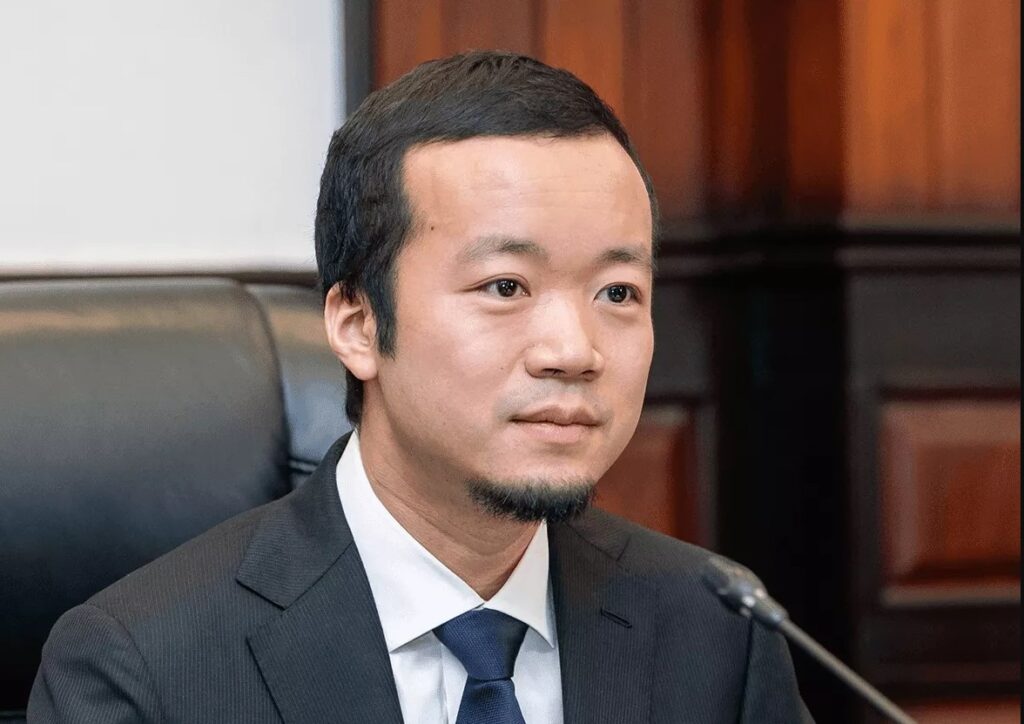
EDITORIAL – The EU’s Sanctions Against Chen Zhi Come After the Battle
Par La rédaction,
le 8 August 2026
By sanctioning the Sino-Cambodian businessman nine months after the United States, the European Union can no longer hope to influence Chen Zhi’s fate — but risks complicating that of Habanos distributors.
On July 30, 2026, the European Union added Chen Zhi and Prince Holding Group to its sanctions list for human rights violations — more than nine months after the United States and the United Kingdom. Viewed from Brussels, the decision looks like a virtuous alignment with its American and British allies. Viewed from the world of cigars, it looks more like a bomb dropped on businesses that did nothing wrong.
Chen Zhi has been in prison in China since January 2026. Formally indicted by Chinese authorities ten days ago, he now faces the death penalty, according to recent reports. The Joint Provisional Liquidators of Interpath Advisory — appointed by the BVI Court — have exercised oversight over Tabacalera SL, co-owner of Habanos S.A. via Allied Cigar Corporation, since February 2026, acting as representatives of Simply Advanced Limited, which holds a majority interest in the Tabacalera group. Day-to-day management of the company remains in the hands of its existing management team. And while the legal proceedings in the British Virgin Islands, New York and Hong Kong are set to be lengthy, the dissociation of Chen Zhi from Habanos’ capital is underway. In other words: Chen Zhi is neutralised, his large-scale fraud network has been dismantled, and he is no longer in a position to influence decisions at Habanos or its subsidiaries. The EU sanctions, in short, come after the battle.
But the timing may owe nothing to chance or to the slowness of European bureaucracy. According to the South China Morning Post, Donald Trump personally raised the issue of transnational criminal organisations linked to Southeast Asia’s scam centres with Xi Jinping. The EU has most likely followed suit — not out of independent conviction, but out of transatlantic alignment.
Collateral victims
The problem is that the first collateral victims of this compliance are not criminals. They are cigar distributors. Laguito 1492 in Belgium, Fifth Avenue Trading in Germany, and others: these companies had already suffered bank account closures since October 2025 under what specialists call “de-risking.” Until now, this de-risking was a precaution — often excessive and without any legally binding basis. Not to mention Elite Trading (formerly Habanos Nordic), the importer for the Nordic countries, already entangled in disputes with Swedish authorities before the Chen Zhi affair even came to light. From now on, any European bank or company that maintains a commercial relationship with an entity linked to the Sino-Cambodian businessman is in violation of European law. De-risking has become a legal obligation.
Yet as of today, Chen Zhi remains a shareholder of Tabacalera, which holds 50% of Habanos, which in turn holds stakes in its exclusive distributors across Europe. The chain is clear — and European bank lawyers are not going to bother with nuances. We have already seen, in the case of Hunters & Frankau, what happens to an importer operating in a country where Chen Zhi is formally sanctioned. It took more than six months for the British distributor to obtain a licence allowing it to operate more or less normally again.
Ultimately, the question is simple: what benefit do sanctions imposed today bring to the fight against Chen Zhi, who is already imprisoned and in the process of being stripped of his assets? None. The cost of these sanctions to legitimate European businesses operating in the distribution of Cuban products — and who have been waiting for ten months for Chen Zhi’s dissociation to be finalised — risks being very real indeed.
Laurent Mimouni
You might also like
Latest articles

22 September 2026
An El Rey Del Mundo “Costa Rica Exclusive” Is Arriving Next Week

22 September 2026
Elie Bleu Launches A Line Of Small Leather Goods

21 September 2026
“Smoke on the Water”: Trinidad Vigia Reserva Cosecha 2022 launched in Montreux

21 September 2026
“We Need the Cubans!”: At Dortmund, Schadenfreude Gives Way to Concern

12 September 2026
Tabacalera Placed Under Spanish Treasury Oversight Following EU Sanctions Against Chen Zhi
Publicité
All the latest cigar news
Discover